2026-09-17 ·
What Affects Dumpster Rental Prices for Local Renovations
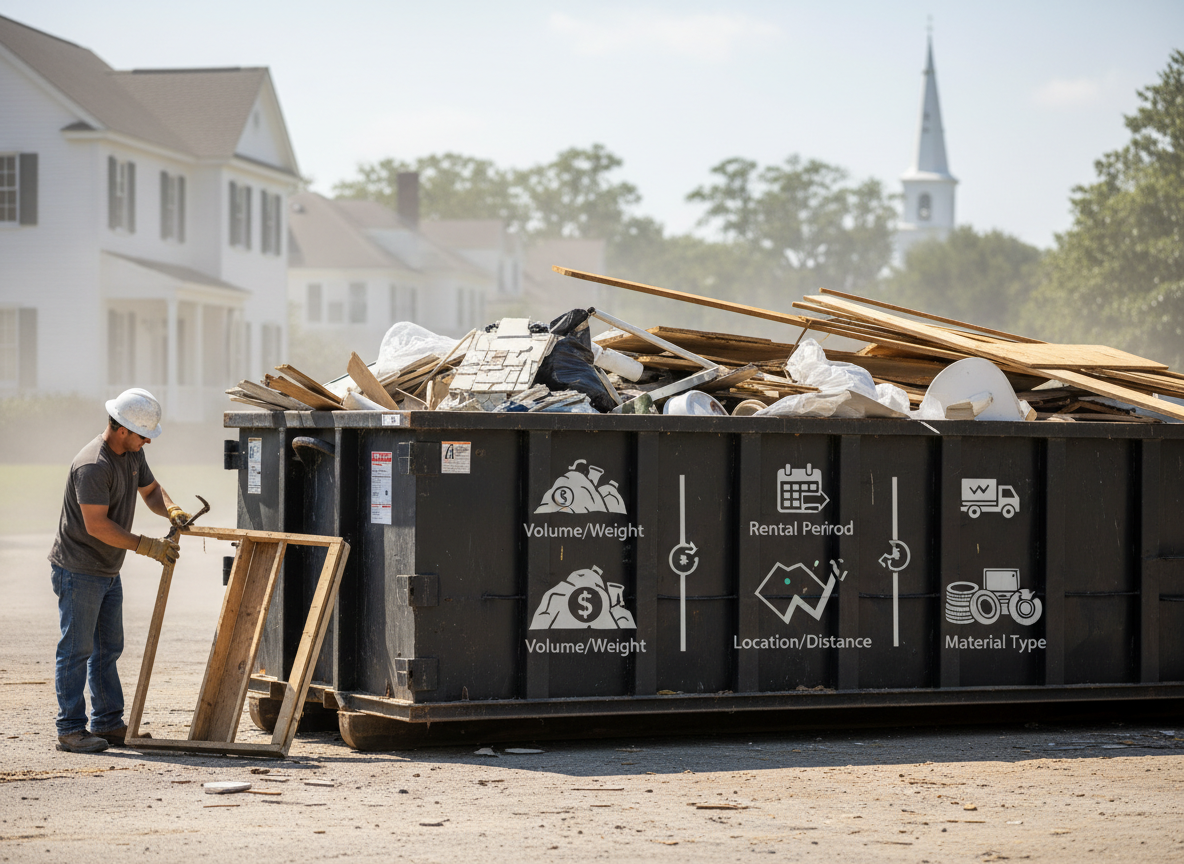
Dumpster rental prices for local renovations in Wilmington typically range from $450 to $1,100 for a 10- to 20-yard unit over a standard 7- to 10-day period, with the largest swings coming from project volume, placement constraints, and seasonal demand. These costs reflect the realities of older housing stock in places like the Historic District, where narrow streets and limited driveways often require smaller containers or street placement that triggers extra handling.
Dumpster Size and Renovation Volume
The amount of debris generated directly sets the base rate because haulers charge by container capacity and weight limits. A kitchen or bath remodel in a 1940s bungalow in the Historic District might need only a 10-yard unit, while a full home gut in Ogden or Masonboro often requires 20- or 30-yard containers to handle drywall, lumber, and fixtures. Overloading triggers additional fees, so matching size to the actual load keeps the final invoice predictable. Homeowners planning concrete or asphalt removal should note that those materials exceed standard weight allowances and push pricing higher. Construction Dumpster Rental details the weight restrictions that apply to these heavier loads in New Hanover County.
Location Challenges Across Wilmington Neighborhoods
Access and terrain vary sharply between downtown streets and beach communities, directly affecting delivery and pickup costs. Tight alleys around the Wilmington Riverfront or Cape Fear Riverwalk may require hand-carry or smaller trucks, adding labor. In contrast, wider driveways in Wrightsville Beach or Carolina Beach allow standard roll-off placement but can involve longer travel times from the yard. Properties near Monkey Junction or along the Cape Fear River sometimes sit on softer soil that needs plywood under the container to prevent sinking during humid summer months. These site-specific factors are why quotes differ even for identical renovation scopes. Residential Dumpster Rental outlines the placement options available for single-family homes in these varied settings.
Seasonal Weather and Climate Effects
Wilmington's humid subtropical climate brings hot, humid summers and mild winters that influence both scheduling and pricing. Peak renovation season runs from late fall through early spring when temperatures stay moderate; summer heat can slow crews and extend rental periods, raising the weekly rate. Heavy rains common near Airlie Gardens or the USS North Carolina Battleship site can turn yards muddy, requiring extra time or equipment to position containers safely. Mild winter conditions rarely halt work entirely, yet occasional nor'easters can delay pickups and extend the rental window. Planning around these patterns helps avoid the higher rates that accompany last-minute extensions during wet months.
Permit Rules and Street Placement Costs
Many renovations in Downtown Wilmington or the Historic District require a street permit when the container cannot fit on private property. The city charges for the permit itself plus potential daily fees, and the rental company must coordinate delivery windows around traffic and pedestrian rules along the Cape Fear Riverwalk. Failing to secure the permit in advance can result in fines or forced relocation of the unit. Homeowners working near Fayetteville or other nearby cities face different municipal rules, so confirming local requirements early prevents surprise add-ons. Wilmington Dumpster Permit Rules for Street Placement explains the exact process and timelines used in New Hanover County.
Project Duration and Scheduling Flexibility
Longer rental periods increase the total price because most companies bill weekly after the initial term. A quick bathroom update may finish inside the base window, while whole-house renovations in older Ogden homes often stretch beyond 10 days due to unforeseen structural issues. Choosing a provider that offers 24/7 scheduling, such as our Mon–Sun availability, lets crews adjust pickup times around weather or inspection delays without incurring overtime charges. Clear communication about start and end dates keeps the rental aligned with actual debris generation rather than calendar estimates.